The Landline Has an Expiry Date: A Calm Migration Plan for an Older Relative's Phone, Alarm and Broadband

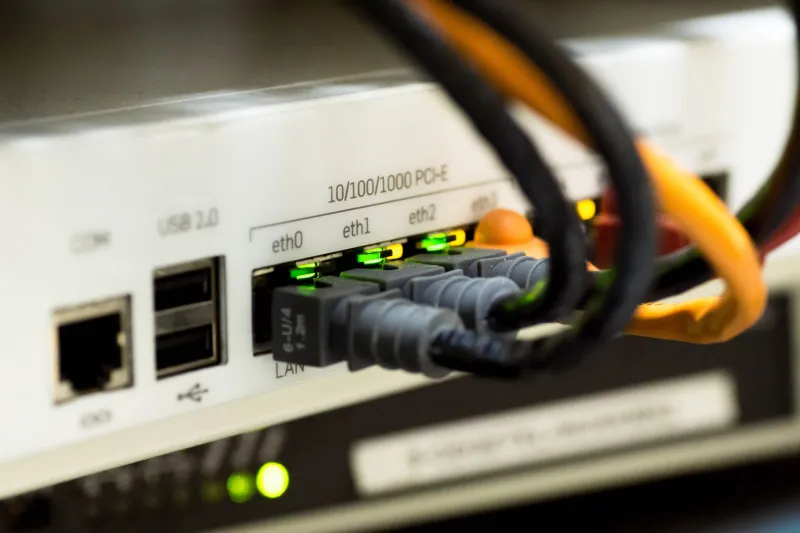
Photo: Jules Verne Times Two, CC BY-SA 4.0, via Wikimedia Commons
There's a particular sort of phone call I've had three times this year. It starts with "the line's gone funny" and ends, forty minutes later, with a list of things nobody in the family knew were plugged into that little socket in the hall. A pendant alarm. A fax machine that gets used twice a year. A broadband router that only exists because the phone needs it.
The UK's old copper phone network is on its way out, and 2026 is the year a lot of these conversations stop being hypothetical. Openreach has already stopped selling new analogue lines in most of the country, and the remaining copper services are heading for retirement. If you look after an older relative's phone, alarm or broadband, this is the moment to do a proper audit rather than wait for a letter from the provider.
It's not dramatic work. It's a couple of hours, a notebook and a certain amount of patience. But done early, it's the difference between a quiet afternoon and a weekend of panic.
Start with the fact that it was never just a phone
The mental trap here is thinking of it as "moving Nan's phone". In practice, that single copper pair is often doing four jobs at once:
- carrying voice calls on a handset that's older than most of the family
- keeping a telecare pendant or fall alarm connected to a monitoring centre
- providing the broadband that the phone service now piggybacks on
- keeping a fax, a sky box with a phone connection, or a monitored burglar alarm talking to the outside world
Change any one of those and you can break the others without noticing. So the audit comes first, and it comes before you order anything.
The room-by-room audit
Grab a notepad, or use the notes app on your phone. Walk the house in a fixed order so you don't miss anything, and do it with your relative rather than around them — they'll remember the alarm in the spare room that you won't.
Hallway and living room. Every handset, base station and extension socket. Count them. Note whether any handset needs a mains socket as well as a phone socket, because that's a clue about power-cut behaviour later.
Bedroom. Telecare pendants, bed sensors, a phone by the bed. Write down the make, model and the phone number printed on the alarm unit if there is one.
Kitchen and utility room. Old sky boxes, fax machines, answerphones, anything with a phone lead trailing out of the back.
The cupboard under the stairs. This is where routers, splitters and mystery boxes live. Photograph it. You will not remember which lead went where, and neither will anyone else.
Outside. The master socket, any extension wiring, and whether there's a junction box on the exterior wall from a past extension job. If the wiring looks like a hobby project, mention it to the provider early.
Paperwork. Find a recent bill. Note the account number, the package name, and whether the phone and broadband come from the same company. If they don't, that's your first complication and you want to know about it now.
Ask these questions in writing
Phone providers are generally decent about this, but the details matter and call handlers are working from scripts. Send an email or use web chat so you've got a record, and ask:
- Is the phone service already digital, or is it still analogue over copper?
- If it's digital, does the router have a battery backup, and how long does it last?
- What happens to the phone during a power cut — does it work, and for how long?
- Is the telecare alarm compatible, and who confirms that in writing?
- Will the existing wiring and extension sockets keep working, or only the master socket?
That third question is the one people forget, and it's the one that matters most.
Test the power cut before the power cut tests you
The old copper line carried its own power from the exchange, so a corded phone kept working when the lights went out. Digital voice doesn't do that. It runs on your mains, through a router, and when the electricity stops, so does the phone — unless the provider has supplied a backup unit and it's actually charged.
So test it. On a weekday morning, with your relative warned and a mobile in your hand:
- Pull the router's power, not the whole house, if you want a gentle first run.
- Try to call the landline from your mobile. Note whether it rings.
- Try to call out from the landline handset.
- Time how long the backup lasts, and write the number down.
- Then do it again with the mains off at the consumer unit, because a real outage takes everything, including any cordless handset base station.
If the phone dies immediately, you've found the most important problem in this whole exercise, and you've found it on a Tuesday rather than at 2am.
The telecare conversation isn't optional
Pendant alarms and fall detectors are the part of this that genuinely keeps people safe, and they're also the part most likely to be missed. Ask the alarm provider directly, in writing, whether the unit is compatible with a digital line, whether it needs its own SIM-based backup, and what happens if the broadband drops.
Many providers now offer a 4G or 5G version of the same alarm for a modest monthly cost. If your relative relies on that pendant, a cellular alarm that doesn't care about the router is usually worth the extra few pounds a month. That's a judgement call for the family, but it's a much easier call than the one you'd be making in the middle of an outage.
Leave a one-page sheet on the fridge
Once it's all swapped over and tested, write it up. One page, large print, on the fridge door:
- the landline number and what it now runs on
- the broadband provider and account number
- the telecare provider's number
- the names and mobiles of two family contacts
- a line saying "if the phone is dead, check the router first"
- where the backup battery lives and how long it lasts
It sounds like something from a care home noticeboard, and it is. It's also the single most useful thing you can leave behind, because the person who needs it at 11pm won't be you.
Do it in November, not in a rush
The copper switch-off isn't a single dramatic event; it's a long, uneven fade with letters arriving at different times in different areas. That's actually good news, because it means you can move at your own pace — as long as you start.
Book two hours. Do the audit. Send the email. Test the power cut. Replace the pendant if you need to. Then put the kettle on and tell your relative it's all done, which, for once, will be true.