Sealed, Loud and Offline: The Case for a Deliberately Boring Smoke Alarm
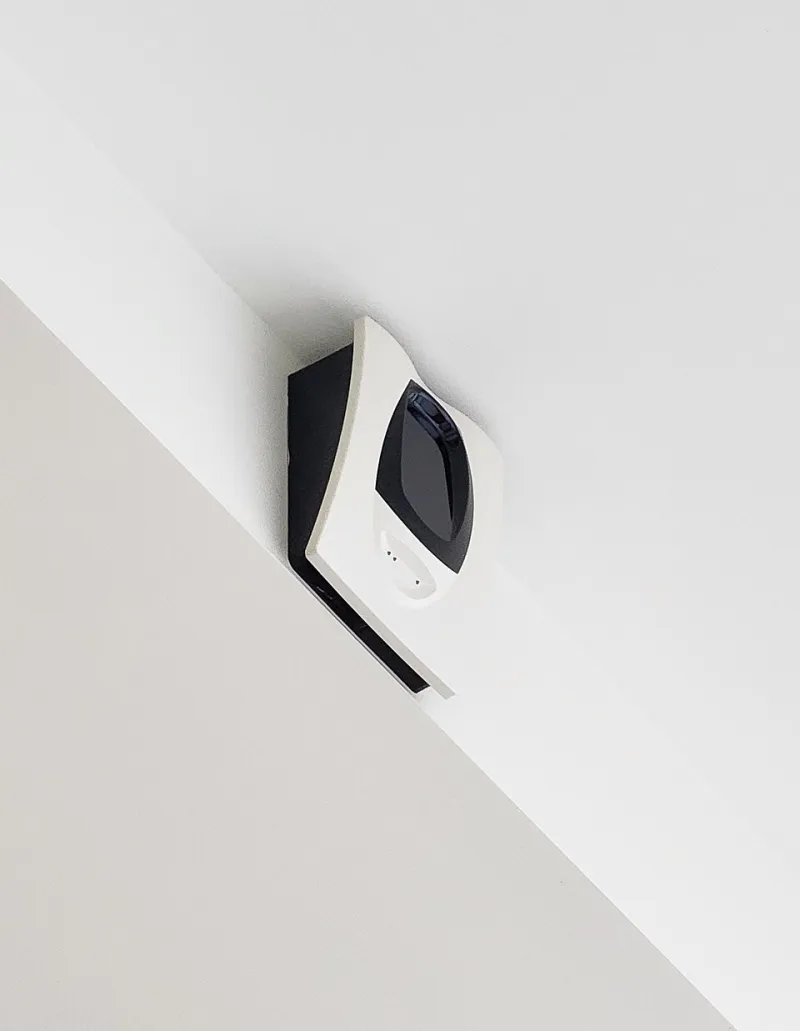
Photo: Dunn17, CC0, via Wikimedia Commons
Smoke alarms are the least glamorous tech in the house. They do not stream, they do not have an app, and most of the time they sit there doing nothing. That is exactly the point. A smoke alarm has one job: make enough noise, early enough, to get people out. Everything else is secondary.
I like a smart home as much as the next person. I have seen useful alerts from connected alarms when a house is empty, and I would never argue against extra warning. But life-safety tech should be boring in the best sense: predictable, local, and impossible to disable by accident when the broadband drops. If the box says 'works without Wi-Fi', that is not a limitation. It is the headline feature.
What the box actually has to do
A domestic smoke alarm needs to detect smoke reliably, sound at least 85dB at three metres, and keep working when the mains power fails. In the UK, look for the relevant standards on the box — BS EN 14604 for smoke alarms, and BS 5446-2 for heat alarms. In a typical house you want optical smoke alarms in hallways and landings, and a heat alarm in the kitchen rather than a smoke alarm that will complain every time you brown an onion.
Interlinking matters more than most people think. If one alarm sounds, they should all sound. That is especially important in a two-storey house, a flat with a long corridor, or anywhere someone might sleep through a single device. Mains-powered alarms with a sealed long-life backup are a sensible default. A sealed 10-year battery removes the classic Sunday-night chirp and the temptation to borrow the battery for a remote control.
For rented homes in England, landlords generally need smoke alarms on each storey and carbon monoxide alarms in rooms with fixed combustion appliances. Scotland has its own interlinked standard for domestic alarms, and Wales and Northern Ireland have their own rules too. If you are a tenant, you can test what is fitted. If you are a landlord, keep a simple record of installation, testing and replacement dates. It is not glamorous admin, but it is the admin that matters.
Where smart alarms genuinely add value
I am not against connected alarms. I am against cloud-only alarms being sold as the default. The useful smart features are narrow and practical: a phone alert when you are away, a carbon monoxide warning that reaches you upstairs, or a heat alarm that can be checked without standing on a chair. For someone who is hard of hearing, a connected alarm that triggers a vibrating pad or a strobe can be genuinely life-changing.
Those are enhancements. They should sit on top of a device that still screams locally if the router dies, the app is retired, or the subscription lapses. A smoke alarm that depends on a cloud service to notify you is not a smoke alarm with an app. It is an app with a smoke alarm attached, and that is the wrong way round.
The ten-minute check I actually do
Once a month, press the test button on every alarm. It takes less time than boiling the kettle. Once a year, vacuum the vents gently and check the replacement date on the side. If the alarm has a hush button, learn where it is before you need it at 2am. If the alarms are interlinked, test one and listen for the others. If one does not join in, that is a fault, not a quirk.
Do not paint over an alarm. Do not put one right next to a bathroom door where steam will set it off. Do not silence a chirping alarm by taking it down and leaving it in a drawer. And do not assume a smart alarm is maintaining itself just because the app says 'online'. The test button is still the truth.
What I would buy
My shortlist is deliberately dull: sealed battery, mains backup where possible, interlinked, loud, with a clear test and hush control. A heat alarm in the kitchen. A carbon monoxide alarm near any fixed combustion appliance. If a smart model offers remote alerts without a mandatory subscription, great — but only if it still works as a standalone alarm. Check the replacement date before you pay, and check the return policy if you are buying online.
The best smoke alarm is the one you never think about until it matters. Boring is not a compromise here. Boring is the specification.